



Sensitive Data Scanning and Data Discovery
Do You Know Where Your Sensitive Data Resides?
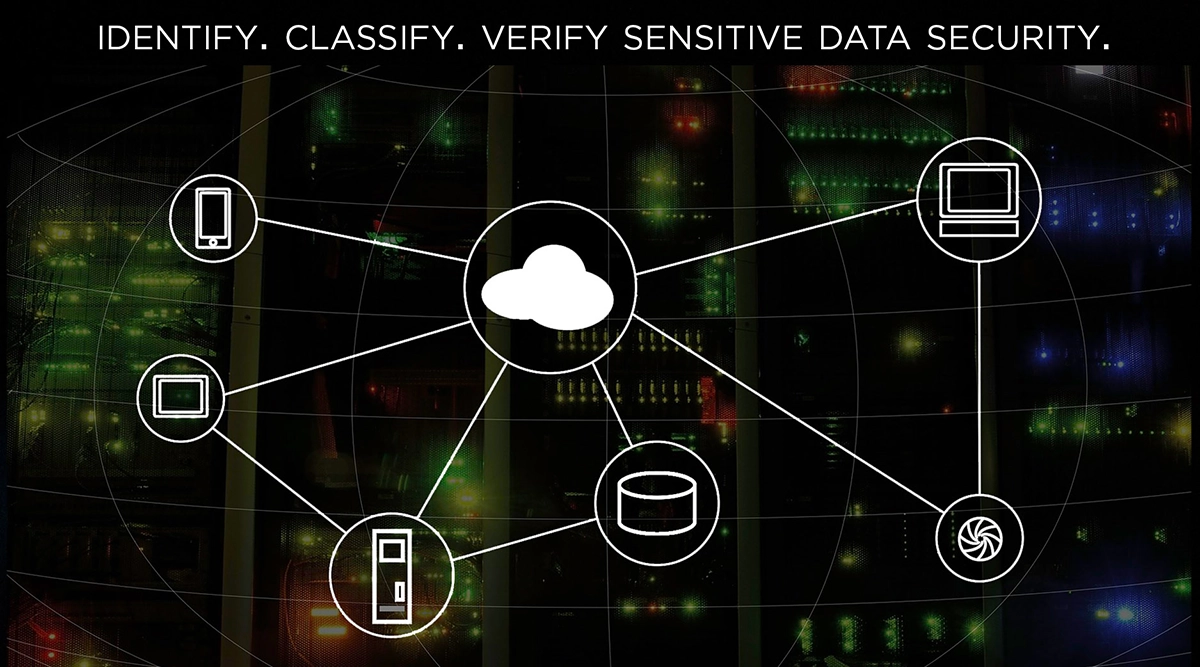
Organizations cannot protect sensitive information if they do not know where it is stored. HALOCK sensitive data scanning identifies and classifies private and regulated information across databases, office files, email, and other repositories.
The service helps organizations understand where sensitive information resides, identify policy violations, and reduce unnecessary sensitive data exposure. PCI DSS, HIPAA, GDPR, CCPA/CPRA, and other requirements also expect organizations to understand and protect regulated information. Sensitive data discovery provides the visibility needed to manage those obligations.
Continuous Sensitive Data Scanning
HALOCK Sensitive Data Scanning as a Service can continuously scan environments for sensitive information and identify changes or violations as data moves.
The managed service includes:
- data classification and tagging;
- active monitoring and alerting;
- weekly reporting of violations;
- monthly solution tuning;
- remediation support for identified sensitive data;
- HALOCK-managed scan monitoring and reporting;
- HALOCK-managed tool maintenance.
This moves sensitive-data management from a point-in-time inventory to an ongoing process.
Identify, Classify, and Monitor Sensitive Data
Sensitive data discovery helps organizations:
- identify where regulated and private information resides;
- classify information consistently;
- detect policy violations;
- monitor changing data locations;
- prioritize remediation;
- extend the process across the enterprise and acquisitions.
The objective is not simply to locate files. It is to give security, privacy, and compliance teams a clearer view of where important information exists and whether it is being handled appropriately.
Sensitive Data Scanning Service Options
HALOCK can provide:
- continuous managed sensitive data scanning;
- periodic scanning;
- one-time sensitive data scans.
The appropriate model depends on the volume and sensitivity of information, rate of change, regulatory obligations, and the level of ongoing visibility required.
Contact Us
